Hot Sale
 New Arrivals
 Ready to Ship
Direct answer
Put all three quotes on the same specification before you compare a single figure: same model and seat configuration, same cover grade, same motion and add-ons, same trade term and port, same packing, same minimum and lead time. A price is only comparable when the thing behind it is identical. That is why a PandaSofa quotation names the basis, the configuration, the terms, the packing, the minimum and the schedule on the document itself.
A visible difference in cover hides a larger one underneath. Two sofas can look alike in a photo and still differ in foam, frame and mechanism — which is where the cost sits. PandaSofa builds on a high-strength wooden or metal frame with S-type spring pockets, and fills with virgin foam at D28, D30 or D35. None of that shows in a product shot, and all of it changes what a factory has to spend.

| Line | What has to match |
|---|---|
| Model and configuration | Seats, console, cup holders, underlight |
| Cover | Fabric or leather grade, colour count |
| Motion | Manual or power, single or dual motor |
| Term and port | EXW, FOB, CFR, CIF, DDP or DDU; Ningbo or Shanghai |
| Packing | Carton spec, units per 40HQ per model |
| Minimum and schedule | Default 1×40HQ, one model, two colours; sampling 15–25 days, bulk 30–45, fastest 25 |
Do not ask for a new price — ask what sits inside the difference: motor type, foam grade, frame material, cover grade, carton spec, units per container. A supplier who can name the difference is quoting a specification. One who cannot is quoting a number.
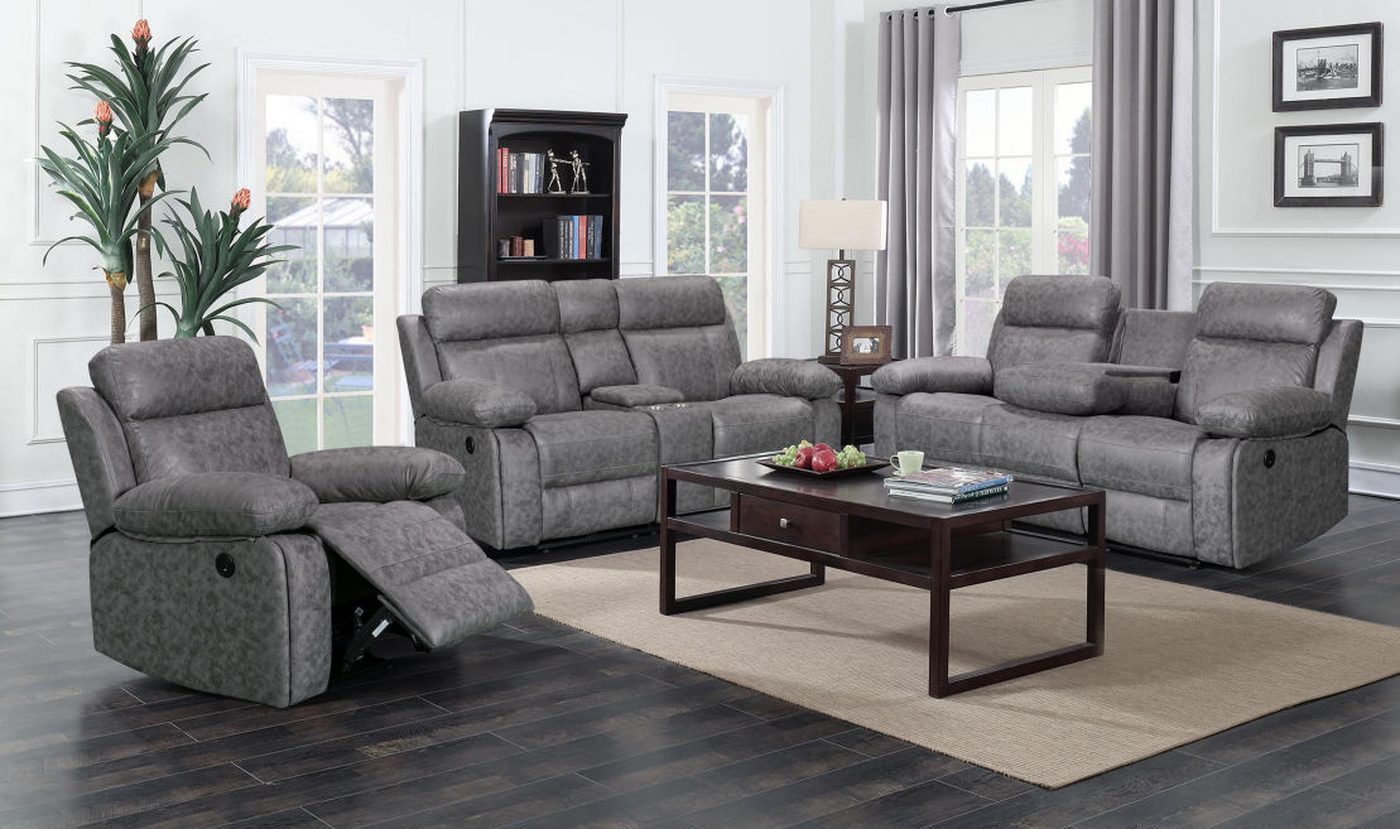
Take a 1+2+3 set in two colours, FOB Ningbo. Quote A carries a console and cup holders; quote B does not. Quote C sits on a lower foam grade and packs more units per container. Aligned to the same configuration, packing and term, the three figures move much closer together — the gap was in the specification, not the factory.
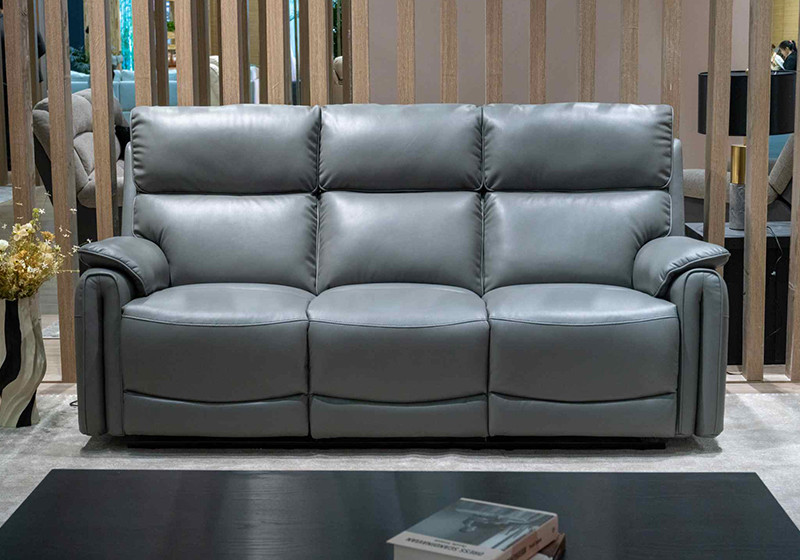
FOB for the like-for-like comparison, landed for budget approval. Landed adds freight, duty and clearance, which depend on your forwarder and destination. Get all three factories on the same Incoterm, then convert once with your own freight figures.
Not on its own. If one figure sits clearly below the other two, look for what is absent: a thinner foam grade, a lower cover grade, fewer functions, or more units squeezed into the container.
It depends on the model and the packing, and carton design changes it again. We state units per 40HQ per model on the quotation rather than a generic figure, so your container maths uses the actual mix.
In short: fix the specification, fix the term, then compare — and question any supplier who cannot explain the gap.


+86 13065823738