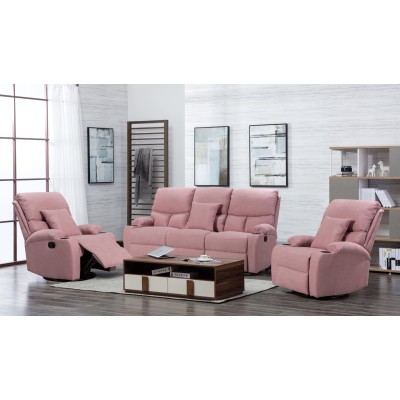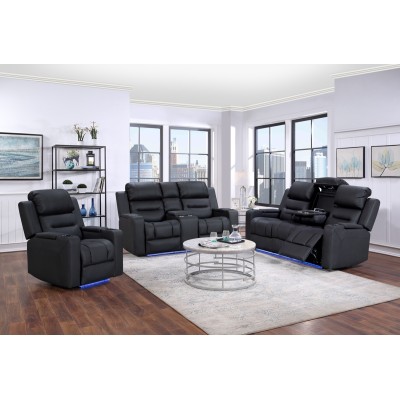




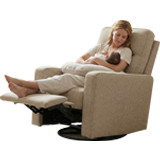
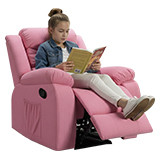

A nursery or bedroom recliner is bought for a room, not for a showroom. The chair lands beside a cot or in the corner of a spare bedroom, it gets used at 2 a.m. as often as at 7 p.m., and whoever sits in it is usually holding something. That changes what matters: floor space taken when reclined, how the mechanism behaves when the house is quiet, and whether the cover survives a feed that did not go to plan. This page covers what the scene needs, which models fit it, and what the build actually is.
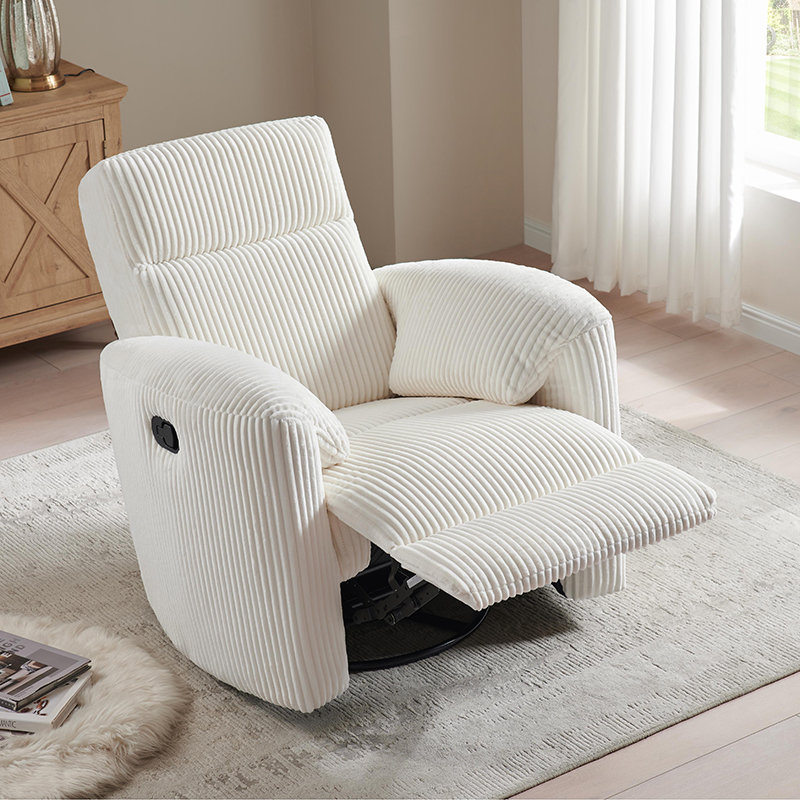
Why a nursery chair is specified differently
A living-room recliner is chosen against a sofa and a coffee table. A nursery chair is chosen against a wall, a cot and a doorway, and it has to recline without trapping anyone in the room. The practical consequence is that the category is built around single-seat chairs rather than sectionals — all three models below are individual chairs — and the reclined envelope, not the closed footprint, is the number that decides whether the chair fits.
The second difference is who is sitting in it. Night feeds and settling a baby involve sitting down and standing up with a hand already occupied, so the recline control needs to be reachable from a seated position and the seat needs enough support at the head and shoulders to stay in for forty minutes without shifting.
Who buys this scene
Three buyer types come up repeatedly: nursery and baby vertical e-commerce sellers adding seating to a pram-and-cot range, furniture retail chains building a nursery corner inside a wider bedroom offer, and independent baby shops that want one or two chairs on the floor rather than a full collection. North America and Europe are the main markets for the category.
Orders are typically mixed with bedroom seating, because the same chair sells to a household that has no baby in it. That is worth planning for at the assortment stage: a cover range that reads as nursery in one market reads as a bedroom chair in another.
What the build is
Frame: high-strength wooden frame or metal frame, S-shaped spring pack, layered filling (foam, fibre, cotton), cut to an ergonomic profile rather than a flat seat. Foam is D28 / D30 / D35, all virgin foam with no powder filler — relevant here because the chair is used for years and through a phase when it is sat in several times a night.
The standard recliner is designed for a 120–150 kg user. Where a project needs a higher rating, that is set with the order against the frame, mechanism and motor specification rather than assumed from the standard model.
Models that fit this scene
The nursery recliner category currently lists three models, all with real photography. They differ mainly in cover and in how the back is adjusted:
| Model | Why it fits |
|---|---|
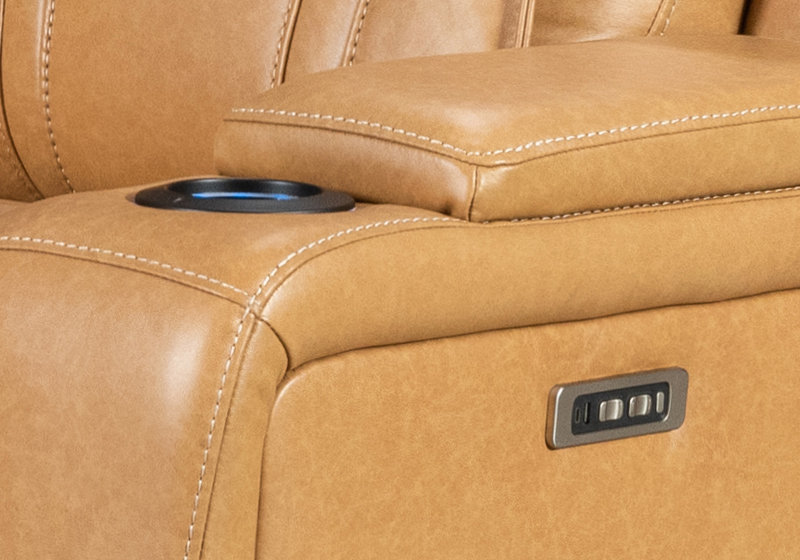
| 8485 | Genuine leather with an electric headrest, listed for bedroom use. The leather route suits buyers whose bedroom range is already leather, and the powered headrest is the adjustment that matters when someone is settling a baby rather than watching television. |
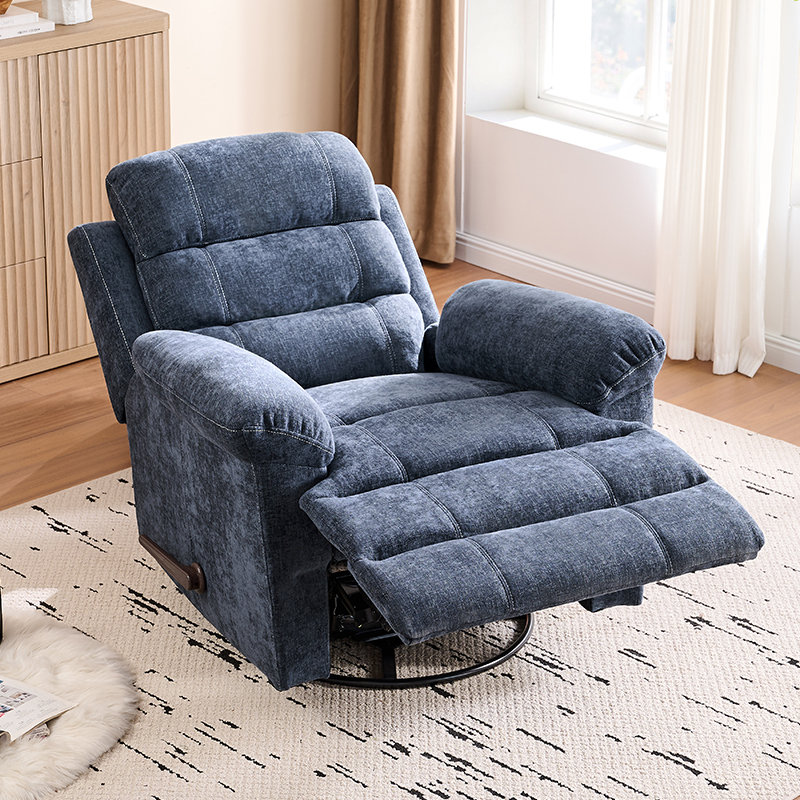
| 8505 | Fabric cover over a polyester-fibre fill, listed for living room and bedroom. The softer fill reads warmer in a bedroom setting than a firm sponge build. |
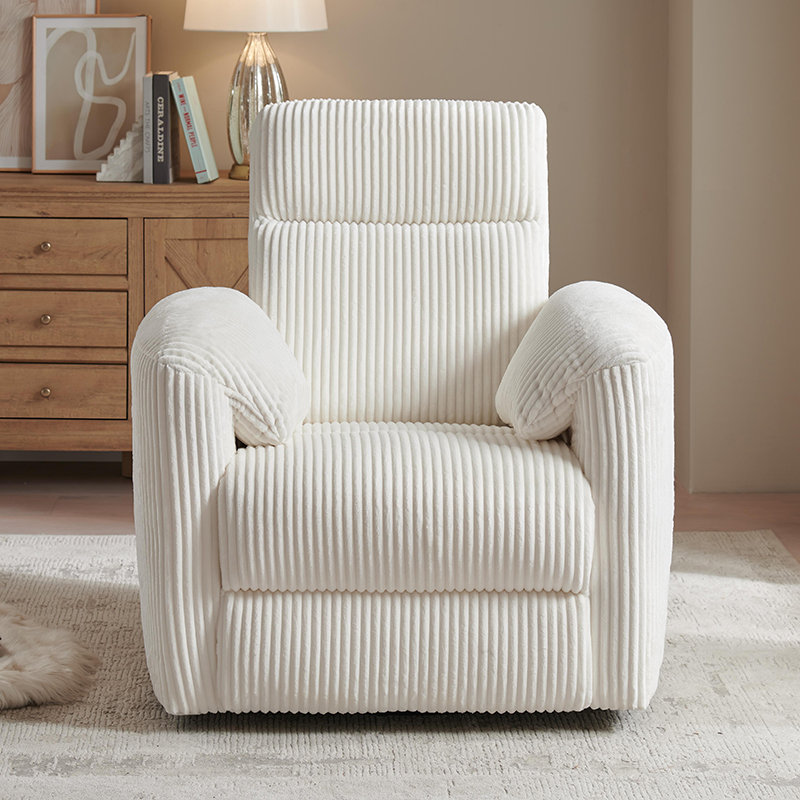
| 8503 | Fabric cover with a high-resilience sponge and a breathable build, listed specifically for the nursery room. The firmest of the three, and the one that holds its shape under nightly use. |
All three are available on an OEM or ODM basis. The full range sits under custom nursery recliners.
Five checks before a nursery range is committed
1. The reclined envelope. Check the distance from the back of the chair to the furthest point of the footrest when fully open, and place a sample against a wall at that distance. A chair that fits the room closed can still block a doorway open.
2. Mechanism noise. This is the item to test on a sample rather than to read off a sheet, because it depends on how the motor and mechanism are paired. Night use is the reason the category exists, so book a sample session with the motor you actually intend to order.
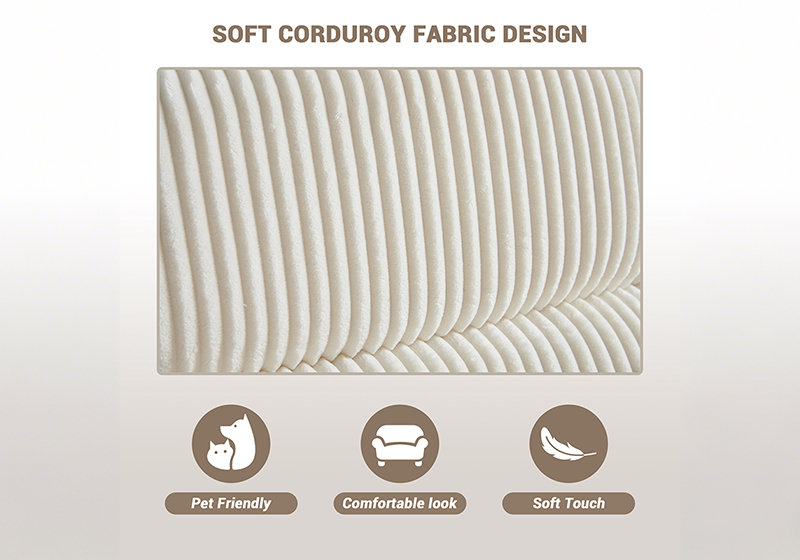
3. Cover specification. Which covers can be wiped down, and which come off for washing, is a fabric-level question. Settle it on the fabric card at sampling rather than after the range is on the water.
4. Control position. Confirm that the recline control can be reached by someone already seated and holding a baby, and that it is not buried under an armrest.
5. Standing up with one hand free. Sit in the sample and get out of it without pushing off the arms. That single test eliminates most chairs that look right and feel wrong.
Build and ordering notes
| Item | Standard |
|---|---|
| Frame | High-strength wooden frame or metal frame, S-shaped spring pack, layered filling |
| Foam | D28 / D30 / D35, all virgin foam, no powder filler |
| Load rating | 120–150 kg standard; higher by project against frame, mechanism and motor |
| Warranty | 2 years complete unit, 5 years wooden frame, lifetime steel frame |
| Minimum order | 1 × 40HQ container, one model in up to two colours |
| Sampling | 15–25 days after details are confirmed |
| Bulk production | 30–45 days, fastest 25 days |
| Compliance | ISO 9001 supplier entry standard; core parts carry CE / UL / BSCI or SGS reports; REACH / RoHS / CE aligned to destination market; FSC certified timber (valid to 26 Aug 2027) |
Two things are set per order rather than quoted as fixed numbers: the cover and finish combination, and the mechanism and motor pairing for the noise level the market expects. Both are decided at sampling.
Our factory runs 50,000 m² with capacity above 8,000 sets a month and serves more than 500 retailers across 100+ export markets.
About PandaSofa
PandaSofa (Anji Chunyun Furniture) has been building functional seating since 2007 — recliner sofas, home theatre seating and lift chairs. See the nursery recliner range or browse the full catalog; for samples and fabric cards, contact the team.