




Lift Chair vs Power Recliner: Which One Do Your Customers Need
Quick answer. A power recliner moves in one direction: the back goes down and the footrest comes up. A lift chair does that and one thing more — the whole seat rises and tips forward until the user is almost standing. The upholstery is the same, the mechanism and the buyer are not. Power recliners belong in living-room and cinema assortments; lift chairs belong in senior, post-surgery and home-care channels. And lift is a function that can be added to a model, not always a separate product line.
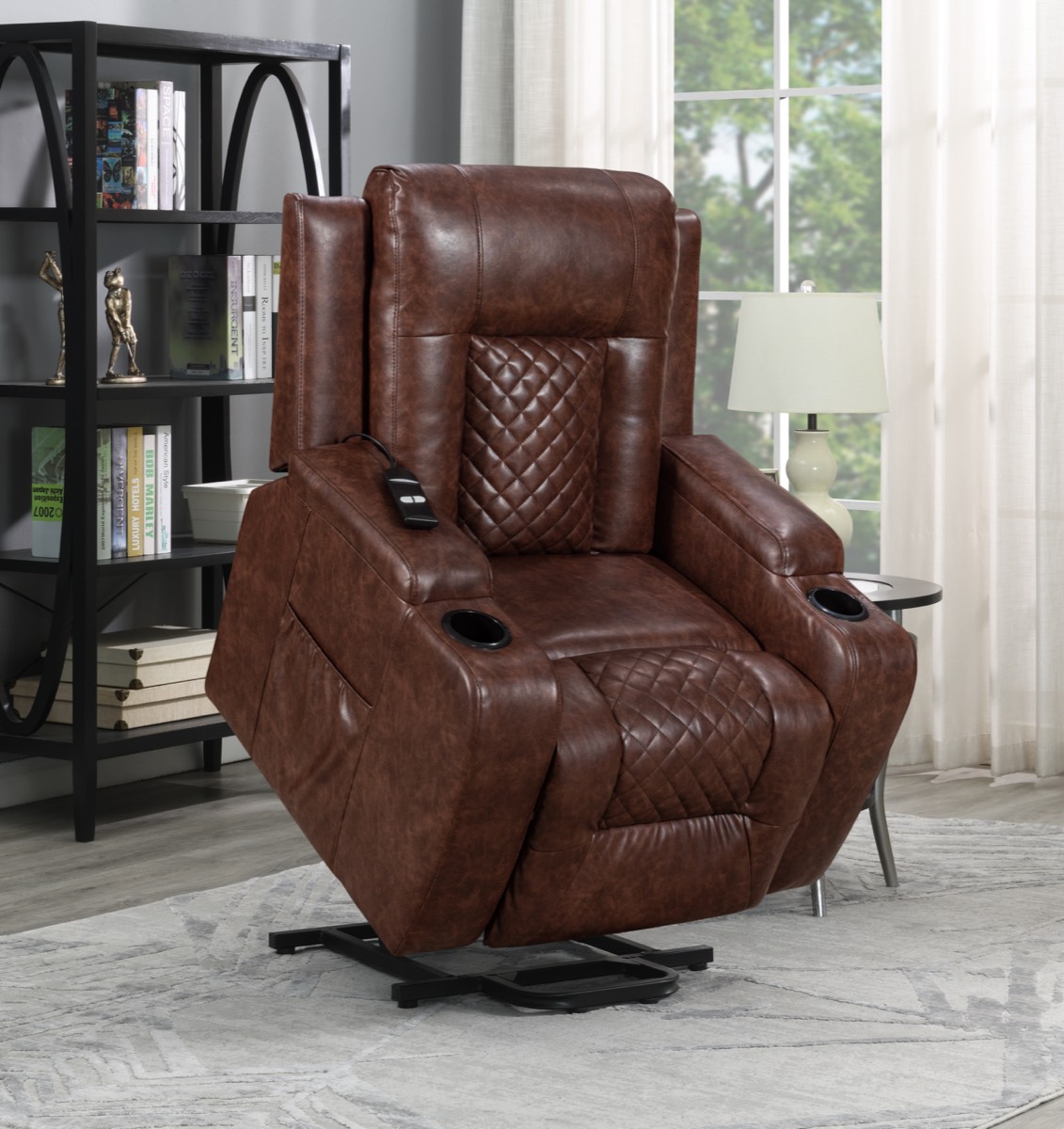
What actually moves on a lift chair that does not move on a power recliner?
On a power recliner, a motor set in the frame drives the backrest down and the footrest up. The seat itself stays where it is, roughly at knee height, so the user leaves the chair the way they entered it: lean forward, push, stand. For most adults that is fine. For a customer with weak knees, a hip replacement or poor balance, it is the moment the chair stops being useful.
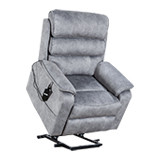
A lift chair adds a second mechanism underneath. A lift arm raises the whole chair body along an arc and tilts it forward, so the user's feet reach the floor while the seat is still carrying their weight. Let go of the handset and it holds that position; once the user is upright, it reclines like any other power recliner.
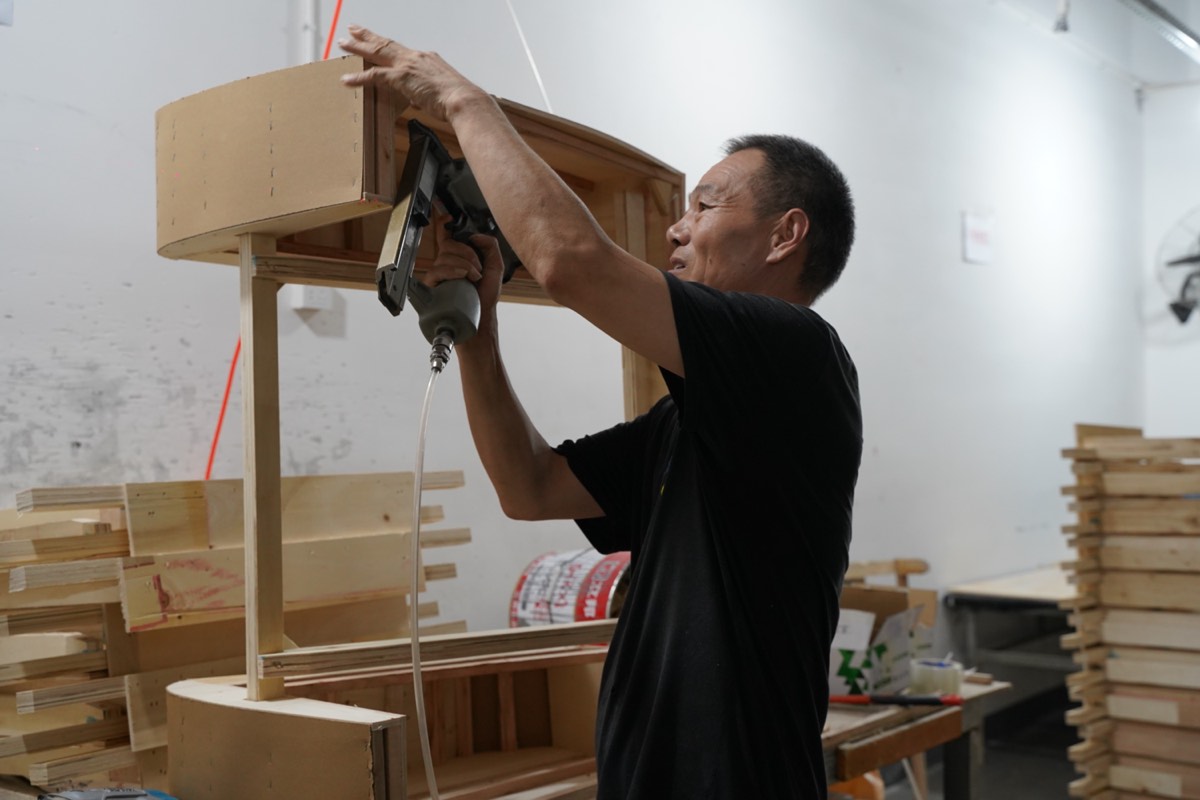
That second motion changes the load path. The base and seat frame now take vertical and forward force on top of the recline moment, which is why lift models are normally built on a heavier frame and a metal base rather than a light wooden platform. A lift version built on the same light frame as a standard recliner asks the mechanism to do work the frame was never drawn for.
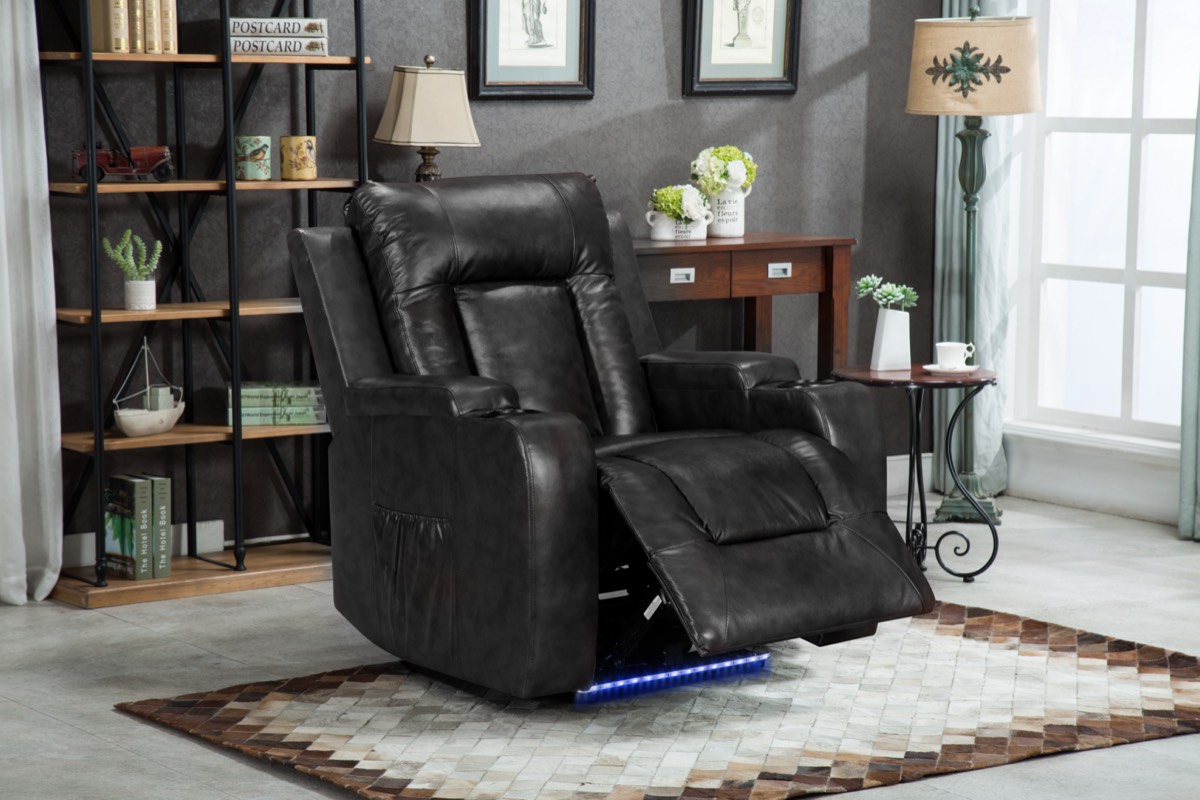
Who is each chair actually for?
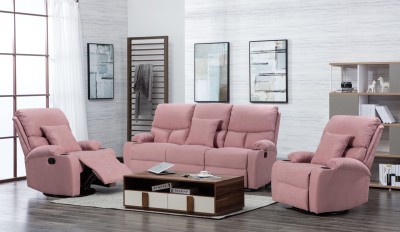
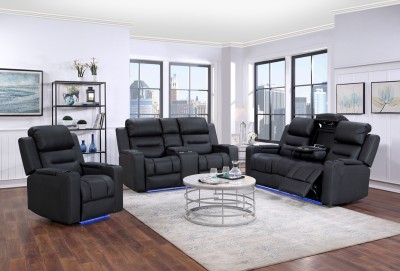
A power recliner is bought for comfort. Its buyers are furniture retail chains, home-theatre and cinema-room specialists, e-commerce assortments and hospitality projects. What sells it is the position: back down, headrest up, phone charging, a cup in the arm.
A lift chair is bought for independence. Its buyers are home-care and medical equipment retailers, assisted-living projects, and furniture retailers whose base skews older. What sells it is that the user can get up alone, without a second person and without a grab rail.
One question settles most range-planning arguments: who has to stand up out of it? A 75-year-old with knee trouble needs the lift; a 40-year-old watching films will never touch it. Retailers who carry both usually split them across two floor areas: lift chairs beside the mobility products, power sofas in the living-room vignette.
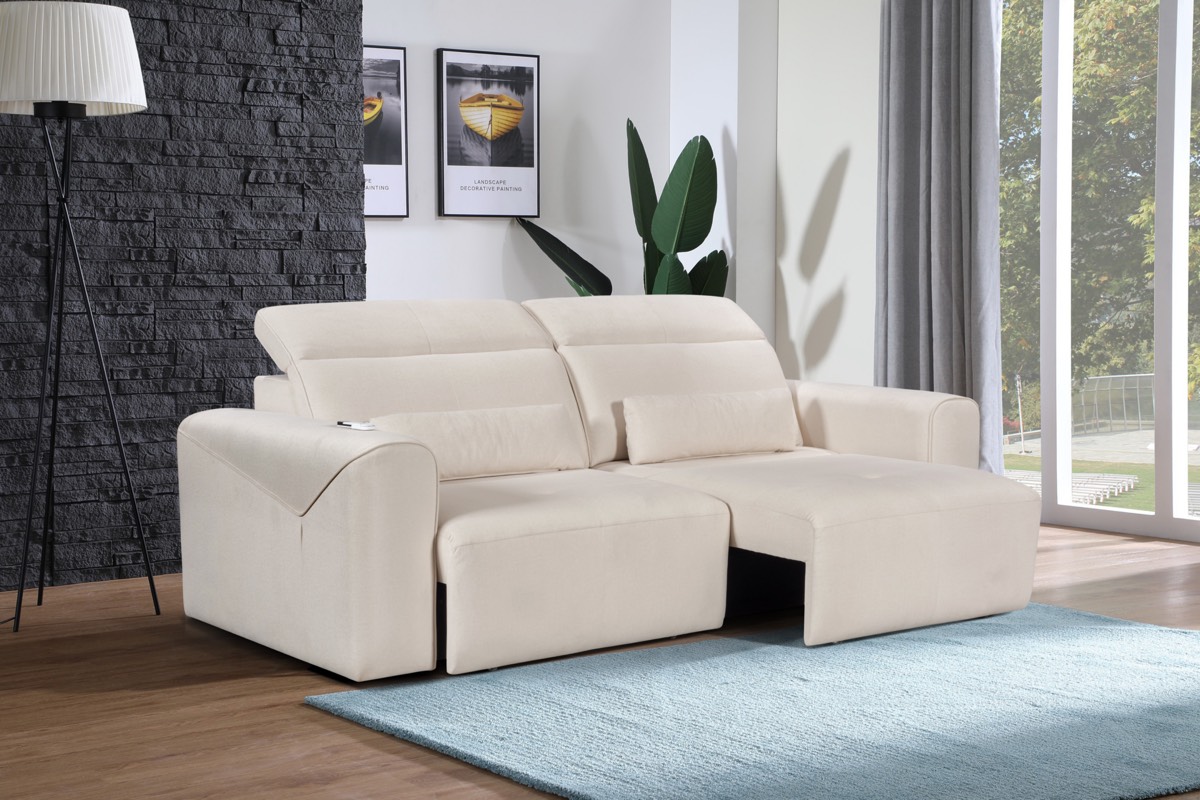
What changes on the specification sheet?
- Weight rating. Standard recliners are designed for 120–150 kg. Lift chairs can be configured higher, depending on the metal frame, the mechanism and the motor specification — so ask for the rating instead of assuming it carries over.
- Closed and open dimensions. A lift chair needs floor space in front of it for the arc, not only wall clearance behind. Model 8334-1R measures 88×97×102 cm closed and packs into a 90×76×65 cm carton.
- Motion set. Recline only, or recline plus lift; lay-flat or a fixed back angle. Each option moves the frame, not just the handset.
- Control. A lift chair handset is operated by someone with limited grip strength, so button size and layout matter more than the number of functions.
- Comfort build. D28, D30 or D35 foam, all virgin foam, over a high-strength wood frame or metal mechanism with S-spring packs and layered filling.
- Features by channel. Massage, heating, USB or Type-C charging, cup holder, reading light and storage console are all specifyable per project.
- Upholstery. Top-grain leather, faux leather, fabric, suede, water-repellent fabric, PU or EPU, with colour to order.
What should a retailer check before placing the order?
- Measure in the lift position. A closed lift chair tells you nothing about the arc it needs when it rises.
- Socket position. Powered models need mains near the chair. A lead running across a walkway is a trip hazard for exactly the customer buying a lift chair.
- Handset reach and legibility. Ask a colleague to work the chair from a seated position with reading glasses off.
- Lay-flat or not. Lay-flat is a stronger selling point in care channels, and a different mechanism underneath.
- Warranty structure. Ours is two years on the whole chair, five years on the wooden frame, lifetime on the steel frame — put it on the retail tag; it answers the question buyers actually ask.
- Spare parts. Ask what a dealer should keep on the shelf. Handsets and motors come first; a chair waiting three weeks for a handset is a refund.
- User instructions. No overloading, children kept away from moving parts, unplugged during electrical storms.
How do MOQ, samples and lead time work when you want both?
Our minimum is one 40HQ container, one model in two colours, and we treat that as a guideline rather than a wall. It is quoted per model, so two categories usually means two programmes; if you want lift chairs and power sofas in one container, settle that at quotation, not at booking.
Samples take 15–25 days after details are confirmed. Bulk runs take 30–45 days, with 25 days possible on an expedited basis when capacity allows. Certificates follow the destination: California TB 117-2013 for the United States, BS5852 where a British buyer asks for it, REACH, RoHS and CE reports from third-party laboratories, and CE, UL, BSCI or SGS reports on the motors and frames.
Which PandaSofa models fit?
People also ask
- Are your lift chairs suitable for elderly and medical use? Which configurations suit care channels, and what changes when a project is medical rather than domestic.
- What is the weight capacity of your recliners and lift chairs? The standard rating, and how a lift model is configured above it.
- What is your typical lead time for samples and bulk orders? Sample and bulk timing in working days, and what triggers the longer end of each range.