




The Technology Behind Innovative Recliner Sofa Development Trends for Enhanced Comfort
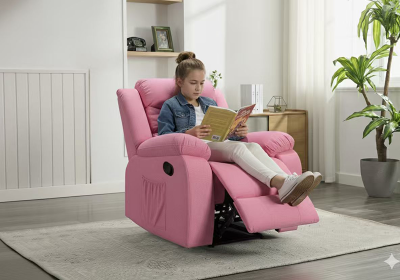
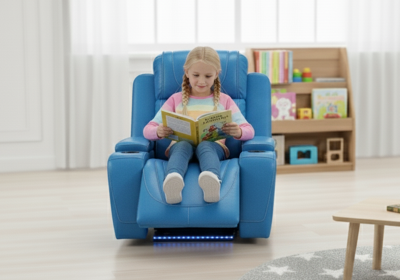
As someone with a keen eye for optimizing home comfort, I've witnessed the remarkable evolution of recliner sofas. They have transformed from simple, functional seating into sophisticated hubs of relaxation and technology. These are no longer the bulky, space-consuming chairs of the past; modern recliner sofa development trends reveal a sleek integration of advanced features into stylish and aesthetically pleasing furniture pieces. Today, they are becoming essential for enhancing personal well-being, convenience, and the overall ambiance of our living spaces.
The global market for these advanced recliners is expanding rapidly, reflecting their increasing importance in our daily lives. The recliner sofa market was valued at approximately $4.66 billion in 2023 and is projected to grow to $6.78 billion by 2032, demonstrating a compound annual growth rate (CAGR) of 4.8%. Other analyses suggest even stronger growth, with projections of the market reaching $8.48 billion by 2028 at a CAGR of 7.04%. This surge is propelled by an aging population seeking comfort and mobility assistance, a heightened awareness of ergonomic needs, and a collective desire for greater support in our homes.
Today's recliner sofas are meticulously designed not only to offer customizable comfort but also to integrate seamlessly with the modern smart home. From therapeutic features that soothe aches and pains to technological enhancements that keep us connected, these advancements are truly transforming our living spaces into havens of personalized comfort.
Key Takeaways
- Design Evolution: Modern recliner sofas have moved away from bulky designs to sleek, space-saving profiles. Technologies like "wall-hugger" mechanisms allow them to be placed closer to walls, making them ideal for compact living spaces. The aesthetic focus is now on clean lines, minimalist forms, and premium materials that complement contemporary interiors.
- Ergonomics and Wellness: There is a heightened focus on ergonomic design to support well-being. Features like adjustable lumbar support, motorized headrests, and advanced cushioning materials like memory foam and gel-infused foam provide tailored support to the user's body, promoting better posture and alleviating pressure points.
- Technological Integration: Technology is a major driver of innovation. Power reclining mechanisms offer effortless adjustment at the touch of a button, while memory functions can save preferred seating positions. Smart features are now standard, including integrated USB ports, wireless charging pads, and even voice control compatibility with smart home assistants like Alexa and Google Home.
- Therapeutic Benefits: Recliner sofas have evolved into personal wellness stations. Many models now include built-in heating elements to soothe sore muscles and advanced massage systems that offer various techniques like vibration and kneading. The "zero-gravity" recline position, inspired by NASA, elevates the feet to heart level to improve circulation and decompress the spine.
- Sustainability and Durability: The industry is increasingly adopting sustainable practices. This includes using eco-friendly materials like FSC-certified wood, recycled metals, and low-VOC (volatile organic compound) finishes. There's also a focus on durability through high-quality construction and modular designs, which allow for easier repairs and part replacements, extending the product's lifespan and reducing waste.
- Future Outlook: The future of recliner sofas will be shaped by even deeper integration with technology. Artificial intelligence (AI) may enable recliners to learn user preferences and make automatic adjustments for personalized comfort. Expect enhanced connectivity with broader smart home ecosystems and a continued emphasis on health-monitoring features, turning the sofa into an active contributor to a wellness-focused lifestyle.
Recliner Sofa Development Trends: Blending Ergonomics with Modern Aesthetics
The recliner sofa has undergone a profound transformation, shedding its reputation for being purely functional and often cumbersome. Today's development trends focus on a sophisticated fusion of ergonomics and modern design, creating pieces that are as beautiful as they are comfortable. This evolution reflects a broader shift in consumer expectations: furniture must now support our health and well-being while also enhancing the aesthetic value of our homes. As a result, manufacturers are innovating with new materials, sleeker forms, and smarter technologies to meet the demands of contemporary living.
From Bulky to Beautiful: A Design Evolution
The days of the oversized, clunky recliner that dominated a room are fading. The modern design ethos prioritizes clean lines, refined silhouettes, and a sense of visual lightness. This shift has turned the recliner sofa from a guilty pleasure into a celebrated centerpiece of the living room, proving that comfort and style can coexist harmoniously.
Sleek and Space-Saving Profiles
The primary shift in recliner sofa design is the move towards sleek, minimalist aesthetics. Today's models feature clean lines, low-profile silhouettes, and streamlined forms that integrate seamlessly into contemporary living spaces. Manufacturers are using advanced engineering to conceal the reclining mechanisms within thinner frames, resulting in furniture that often looks like a stationary sofa until the feature is activated. This minimalist approach avoids the visual clutter of overstuffed cushions and bulky arms, favoring simple geometric shapes, straight edges, and uncluttered surfaces.
This design trend produces furniture that is not only comfortable but also versatile enough for apartments and smaller homes where space is at a premium. The slimmer profile prevents the sofa from overpowering the room, making it easier to position and arrange. The emphasis is on long-term style, creating evergreen designs that don't need to be replaced as trends shift. Modern reclining sofas are often indistinguishable from their high-end, non-reclining counterparts, featuring sophisticated details like French seams or channel tufting, but with the hidden benefit of power footrests and adjustable backs.
Wall-Hugging Technology for Compact Living
A key innovation that complements the trend of sleeker profiles is "wall-hugging" or "zero clearance" technology. This design is a game-changer for anyone living in a small apartment, condo, or home with limited space. Traditional recliners require significant clearance—often a foot or more—from a wall to recline fully, creating "dead space" and dictating room layout.
Wall-hugger technology solves this problem with an ingenious forward-sliding mechanism. When you recline, the chair's seat slides forward on a track as the backrest tilts. This motion ensures that the back of the sofa doesn't move back towards the wall, allowing it to be placed just a few inches away without any obstruction. This efficient design maximizes usable floor space, making the room feel more open and less cluttered. It provides the full comfort of a deep recline without the spatial footprint, offering far more flexibility in furniture arrangement.
Prioritizing Comfort and Support in Recliner Sofa Development Trends
While aesthetics have become a major focus, the core purpose of a recliner—to provide unparalleled comfort and support—has only been enhanced by modern advancements. The latest trends prioritize ergonomic science and advanced materials to create a seating experience that not only feels luxurious but also actively contributes to the user's physical well-being.
Ergonomic Design for Optimal Well-being
Ergonomics, the science of designing products to fit the user, is at the forefront of modern recliner sofa development. Unlike traditional sofas that may prioritize aesthetics over support, ergonomic recliners are engineered to support the natural contours and S-curve of the human body. This design approach helps maintain proper spinal alignment, minimize strain on the neck and legs, and promote healthier posture. Poorly designed furniture is a leading contributor to musculoskeletal issues, and with low back pain affecting a significant portion of the global population, the demand for supportive seating has never been higher.
Key ergonomic principles in recliner sofa design include:
- Neutral Spine Support: The primary goal is to help the user maintain a neutral spine, where the ears, shoulders, and hips are vertically aligned. The backrest should support the natural curve of the lower back (lumbar region) to prevent slouching.
- Proper Seat Height and Depth: An ideal seat height allows the user's feet to rest flat on the floor with their knees at a 90-degree angle. The seat depth should be sufficient to support the thighs without pressing into the back of the knees, which could cut off circulation. Too deep a seat can encourage slumping, while a shallow one can create poor posture.
- Appropriate Armrest Height: Armrests should be positioned to allow the arms to rest naturally, without causing the shoulders to hunch or overstretch.
- Dynamic Support: An ergonomic recliner provides dynamic support, allowing the user to change positions while remaining supported, which is healthier than staying in one static position for long periods.
The health benefits of an ergonomic design are significant. By promoting good posture, these recliners can help prevent back pain, reduce muscle tension, and alleviate stress. Elevating the legs can also improve blood circulation and reduce swelling in the lower extremities, which is beneficial for those with circulatory issues or individuals who spend long hours on their feet.
Advanced Cushioning and Lumbar Support
The "feel" of a recliner is largely determined by its cushioning system. Modern trends have moved beyond basic foam to incorporate advanced materials that offer a superior blend of comfort, support, and durability.
- High-Resiliency (HR) Foam: Often used as a support core, HR foam is a high-density polyurethane foam known for its elasticity and durability. It bounces back quickly and is more resistant to sagging than conventional foams, ensuring the sofa retains its shape and supportive qualities for years.
- Memory Foam: While not always ideal for the entire seat due to its slow rebound and heat retention, memory foam is frequently used as a top comfort layer. It contours to the body's shape, providing exceptional pressure relief and a cradling sensation.
- Gel-Infused Memory Foam: To combat the heat retention of traditional memory foam, many manufacturers now infuse the foam with cooling gel beads. This technology helps to regulate temperature, providing the pressure-relieving benefits of memory foam without the discomfort of overheating. Some sofas offer a combination of pocketed coils and gel-infused memory foam to achieve a balance of support and plush softness.
A critical feature for ergonomic health is adjustable lumbar support. The lumbar region, or lower back, is where many people experience pain from prolonged sitting. Sofas with adjustable lumbar support allow users to fine-tune the amount of cushioning and pressure in this area. This customization is a game-changer for maintaining the natural curve of the spine, reducing muscle strain, and providing targeted relief for those with chronic back pain or other conditions. In power recliners, this adjustment can often be made with the simple touch of a button, making personalized comfort instantly accessible.
Technological Innovations Driving Recliner Sofa Development Trends
Technology is undeniably the engine powering the evolution of the modern recliner sofa. What was once a simple mechanical piece of furniture is now a sophisticated hub of connectivity, convenience, and therapeutic care. These innovations have transformed the user experience, turning the simple act of sitting into an interactive and highly personalized form of relaxation. From effortless power adjustments to seamless smart home integration, technology is reshaping our expectations of what a sofa can and should do.
Power and Precision: Effortless Adjustability
The clunky side-levers and awkward push-back maneuvers of traditional recliners are being replaced by silent, smooth, and precise motorized systems. This shift towards powered adjustability makes comfort accessible to everyone, regardless of age or physical ability, and offers a level of customization previously unimaginable.
Motorized Reclining Mechanisms
The most significant advancement in this area is the widespread adoption of motorized reclining mechanisms. At the touch of a button, typically located on an armrest panel or a remote control, users can smoothly and quietly adjust the backrest and footrest. This feature offers near-infinite positioning, allowing for precise angles that manual recliners cannot achieve. This is particularly beneficial for seniors or individuals with mobility issues, as it eliminates the physical effort required to change positions and can even assist in standing up.
Modern recliners often feature different motor configurations:
- Single-Motor Systems: A single motor controls the backrest and footrest simultaneously in a synchronized motion. This is a simple and reliable option for basic reclining.
- Dual-Motor Systems: These systems use two separate motors to control the backrest and footrest independently. This provides a much higher degree of customization, allowing a user to, for example, raise the footrest while keeping the back completely upright.
- Triple or Quad-Motor Systems: High-end models may include additional motors for independently adjusting the headrest and lumbar support, offering the ultimate in personalized ergonomic alignment.
Furthermore, manufacturers are increasingly using advanced, whisper-quiet motors to enhance the user experience. These silent motors remove the distracting mechanical sounds of older models, making the transition between positions seamless and unobtrusive, which is ideal for a relaxing environment like a home theater or nursery.
Memory Functions and Programmable Positions
Building on motorized controls, many high-end recliner sofas now offer memory functions and programmable positions. This feature allows users to save their favorite seating configurations—for reading, watching TV, or napping—and return to them with a single touch of a button. For example, after finding the perfect combination of back recline, footrest elevation, and lumbar support, you can hold down a memory button to save it. The next time you sit down, a single press instantly returns the sofa to your personalized comfort setting.
This technology eliminates the need to constantly fiddle with controls to find "that perfect spot" again. In sofas with multiple reclining seats, different positions can be saved for each user, making it an incredibly convenient feature for couples or families. When paired with a "return to center" button that brings the sofa back to its upright position, these programmable settings represent the ultimate in effortless, customized relaxation.
Smart Features and Connectivity in Recliner Sofa Development Trends
Modern recliners are no longer isolated pieces of furniture; they are becoming integrated components of our connected lifestyles. Recognizing that we use our living spaces for more than just relaxing, manufacturers are embedding smart features and connectivity options directly into the sofa's design, blending high-tech convenience with high-end comfort.
Integrated USB Ports and Wireless Charging
One of the most practical and now-standard innovations is the integration of charging solutions. The constant need to keep our smartphones, tablets, and other devices powered has led manufacturers to build charging capabilities directly into the sofa's frame. This solves the modern inconvenience of hunting for a wall outlet or dealing with a mess of tangled cables.
USB-A and USB-C ports are commonly found on the recliner's control panel, inside storage consoles, or discreetly on the side of the armrest. Some systems even use "zero-draw" technology, which only consumes power when a device is actively charging, enhancing energy efficiency.
Even more seamlessly, many high-end models now feature wireless charging pads (using the common Qi standard). These charging surfaces are often integrated into drop-down center consoles, side tables, or armrests, allowing you to simply place your compatible smartphone on the designated spot to charge. This level of integration creates a clean, organized, and highly convenient user experience, making the recliner a fully functional workstation or entertainment hub.
Voice Control and Smart Home Integration
The most futuristic recliner sofa development trend is the integration with smart home ecosystems through voice control. This feature brings a new level of hands-free convenience, allowing you to control your sofa's functions without lifting a finger. By connecting to popular voice assistants like Amazon Alexa or Google Home, you can issue simple commands to adjust your seating position, turn on massage or heat functions, or activate preset memory settings.
For example, you could say:
- "Alexa, set my recliner to reading mode."
- "Hey Google, turn on the heat in my sofa."
- "Alexa, recline my seat to the zero-gravity position."
This integration enables the recliner sofa to become a true part of the Internet of Things (IoT) in your home. It can be included in automated routines; for instance, you could create a "Movie Night" routine in your smart home app that, with a single command, dims the lights, lowers the shades, and sets your recliner to your favorite viewing position. This seamless connectivity transforms the sofa from a passive piece of furniture into an active, responsive component of your smart living environment.
Therapeutic Benefits: Beyond Basic Relaxation
Modern recliner sofas are transcending their traditional role as simple places to sit and relax. They are now being engineered with advanced therapeutic features that actively contribute to health and wellness. By incorporating technologies once found only in specialized medical or spa equipment, these sofas offer a holistic approach to comfort, helping to soothe sore muscles, improve circulation, and promote overall well-being right in the comfort of your living room.
Heating and Massage Functions
Many modern recliner sofas now come equipped with built-in heating and massage systems, transforming them into personal wellness stations.
Heating Functions: Gentle heating elements, often made of far-infrared carbon fiber, are integrated into key areas like the lumbar region and seat. This heat therapy helps to relax tense muscles, soothe aches, and improve blood circulation. It can be particularly beneficial for individuals with chronic back pain, joint stiffness, or arthritis. These systems often feature adjustable temperature settings and automatic shut-off timers for safety and convenience.
Massage Functions: The massage capabilities in recliners have evolved far beyond simple vibration. Advanced models now offer a variety of techniques to target specific needs:
- Vibration Massage: Uses motors to create gentle, relaxing vibrations, which can help loosen tense muscles.
- Air Compression Massage: Employs strategically placed airbags that inflate and deflate to apply pressure to different parts of the body, stimulating blood flow and relieving muscle fatigue.
- Roller Systems (Shiatsu): More sophisticated chairs use mechanical rollers that move along the spine, mimicking the deep-kneading finger pressure of a professional Shiatsu massage. These systems can provide a more intense, targeted massage to relieve deep muscle knots and tension.
These therapeutic features are typically controlled via the main remote or control panel, allowing users to customize the massage type, intensity, and target area for a fully personalized relaxation experience.
Zero-Gravity Reclining for Enhanced Circulation
One of the most significant therapeutic innovations in recliner sofas is the zero-gravity position. This feature, inspired by the "neutral body posture" developed by NASA for astronauts during launch, reclines the body to a state of near-weightlessness. In this position, the legs are elevated above the level of the heart, with the torso and thighs forming an angle of approximately 120-130 degrees.
The health benefits of this posture are backed by science and are remarkably extensive:
- Spinal Decompression: By evenly distributing body weight, the zero-gravity position takes gravitational pressure off the spine. This allows the vertebrae and intervertebral discs to decompress, which can significantly relieve lower back pain and reduce nerve impingement associated with conditions like sciatica.
- Improved Circulation: Elevating the legs above the heart uses gravity to aid blood flow back to the heart. This can reduce swelling (edema) in the legs and feet, improve overall circulation, and lessen the strain on the cardiovascular system.
- Enhanced Lung Capacity: The open angle between the torso and thighs in the zero-gravity position allows the diaphragm to expand more fully. This can lead to deeper, more relaxed breathing and improved oxygen intake throughout the body.
- Reduced Muscle Tension: The neutral posture minimizes strain on muscles throughout the body, particularly in the neck, back, and hips, leading to deeper relaxation and faster muscle recovery.
Originally a feature of high-end massage chairs, the zero-gravity recline is now a popular and highly sought-after option in modern recliner sofas, turning them into powerful tools for daily wellness and pain relief.
Sustainable Choices in Recliner Sofa Development Trends
In recent years, a powerful wave of environmental consciousness has swept through the furniture industry, and recliner sofa development is no exception. Consumers are increasingly demanding products that are not only comfortable and stylish but also responsibly made. This has spurred a significant trend towards sustainability, focusing on eco-friendly materials, non-toxic manufacturing processes, and designs that prioritize durability and longevity. This green shift reflects a deeper understanding that a truly comfortable home should also be a healthy and sustainable one.
Eco-Friendly Materials and Manufacturing
The pursuit of sustainability in furniture design begins at the source. Manufacturers are actively exploring and adopting materials and processes that minimize environmental impact, from the frame's construction to the final finishes. This commitment ensures that your comfort doesn't come at the expense of the planet's health.
Renewable and Recycled Components
A cornerstone of the eco-friendly trend is the use of renewable and recycled materials in the construction of recliner sofas. This approach significantly reduces the demand for virgin resources and minimizes waste.
Sustainably Sourced Wood: Many manufacturers now prioritize using wood from responsibly managed forests. The most recognized standard is the Forest Stewardship Council (FSC) certification, which ensures that the wood is harvested in a way that protects biodiversity, respects the rights of indigenous peoples, and is economically viable. This helps combat deforestation and promotes long-term forest health. Other materials like bamboo, a fast-growing grass that regenerates quickly, are also gaining popularity as a durable and highly renewable alternative to traditional hardwoods.
Recycled Metals and Plastics: The internal frame and reclining mechanisms are increasingly being constructed from recycled steel and aluminum. Recycling these metals uses significantly less energy compared to producing them from raw materials. In a similar vein, plastic waste, including bottles diverted from landfills and oceans, is being repurposed to create durable furniture components, and in some innovative cases, even soft upholstery fabrics and cushion fill.
Eco-Friendly Upholstery: The fabrics that cover sofas are also getting a green makeover. Options now include a wide range of sustainable textiles:
- Organic Cotton and Linen: Grown without synthetic pesticides and using less water than their conventional counterparts.
- Hemp: A durable, fast-growing plant that requires minimal water and no pesticides.
- Recycled Polyester: Made from post-consumer plastic waste, this diverts waste from landfills and creates a durable fabric.
- Wool: A natural, renewable, and biodegradable fiber that is also naturally flame-resistant.
Non-Toxic Finishes and Adhesives
A significant part of the sustainable furniture trend is the focus on creating a healthy indoor environment. Many conventional furniture items can release harmful chemicals into the air through a process called off-gassing. To combat this, manufacturers are shifting to non-toxic alternatives for their finishes and adhesives.
Low-VOC and Zero-VOC Finishes: Traditional paints, stains, and lacquers often contain high levels of volatile organic compounds (VOCs), which evaporate into the air and can cause health issues like headaches, respiratory irritation, and nausea. The trend is a firm move towards low-VOC or zero-VOC finishes. These are typically water-based or plant-based coatings (like hardwax oils) that release minimal to no harmful fumes, making the air in your home significantly cleaner and safer to breathe.
Formaldehyde-Free Adhesives: Formaldehyde is a chemical commonly used in the adhesives that bind composite wood products like particleboard and plywood. It is a known irritant and carcinogen that can off-gas for years. Sustainable recliner sofas are increasingly built using formaldehyde-free adhesives, often opting for solid wood construction or using composite materials certified to have low or no formaldehyde emissions. This is crucial for protecting indoor air quality and reducing long-term health risks.
To help consumers identify healthier products, third-party certifications have become an important benchmark. The GREENGUARD Gold Certification, for example, signifies that a product has met some of the world's most rigorous standards for low emissions of VOCs, ensuring it contributes to cleaner indoor air. When you see this certification, you can be more confident that the sofa has been tested for over 10,000 chemicals and is a safer choice for your home.
Durability and Longevity: A Sustainable Investment
At its core, sustainability is about reducing waste and making products that last. The trend towards durability in recliner sofas represents a pushback against "fast furniture"—cheaply made items designed for a short lifespan. A well-built, durable recliner is an investment that not only provides comfort for many years but also minimizes its environmental impact by staying out of landfills.
High-Quality Construction for Extended Lifespan
A recliner sofa's lifespan is fundamentally determined by the quality of its construction. Investing in a well-made piece is a sustainable choice, as it ensures the sofa will provide comfort and support for a decade or more, reducing the need for replacement. Key indicators of high-quality construction include:
Frame Material: The best and most durable sofa frames are made from kiln-dried hardwood, such as oak, maple, or ash. The kiln-drying process removes moisture from the wood, preventing it from warping or cracking over time. While more affordable, frames made from softwood like pine or composite materials like particleboard or MDF are less durable and prone to weakening, especially under heavy use. High-quality plywood, made from at least seven to thirteen layers of pressed wood, can also be a sturdy option. When inspecting a potential purchase, a good test is to lift one front corner of the sofa; if the other front leg rises as well, the frame is rigid and well-built.
Joinery: How the frame is held together is just as important as the material. The gold standard for joinery includes methods like mortise-and-tenon or double doweling, where wooden pieces interlock for maximum strength. The joints should be reinforced with corner blocks that are both glued and screwed—not just stapled—into place. These reinforcements are critical for preventing the frame from wobbling or racking over time.
Suspension System: The suspension provides the foundational support for the cushions. The highest-quality method is the traditional 8-way hand-tied spring system, where individual springs are tied together by hand in eight different directions. This labor-intensive process creates a durable and flexible support network that distributes weight evenly and prevents sagging. A more common and still-durable alternative is the sinuous spring system, which uses S-shaped steel wires. When constructed with heavy-gauge steel and reinforced tie-rods, this system offers firm and reliable support for many years.
Modular Designs for Adaptability and Repair
Another key trend in sustainable furniture is the rise of modular design. This approach aligns perfectly with the principles of a circular economy, which prioritizes reuse, repair, and recycling to minimize waste. A modular recliner sofa is made up of separate, individual components or sections that can be arranged in various configurations.
This design offers several significant sustainability benefits:
- Adaptability: Modular sofas are incredibly flexible. As your living situation changes—whether you move to a larger or smaller home, or your family grows—you can reconfigure, add, or remove sections to fit your new needs. This adaptability extends the life of the sofa, as you don't need to replace the entire piece to suit a new space.
- Ease of Repair: One of the biggest advantages of modular design is repairability. If one component—such as a single seat cushion, an armrest, or a reclining mechanism—becomes damaged or worn out, you can often replace just that specific module instead of discarding the entire sofa. This drastically reduces waste and is more cost-effective in the long run.
- Simplified Moving and Transport: Because they can be disassembled into smaller pieces, modular sofas are much easier to move through narrow doorways, hallways, and staircases. This reduces the risk of damage during a move and makes them a more practical long-term investment for people who relocate periodically.
By designing for longevity, repair, and adaptability, manufacturers are creating recliner sofas that are not just comfortable and stylish but are also a more responsible and sustainable choice.
The Future of Recliner Sofa Development Trends
Looking ahead, the recliner sofa is set to become even more intelligent, personalized, and integrated into our daily wellness routines. The fusion of furniture design with cutting-edge technology is accelerating, promising a future where our seating doesn't just respond to our commands but anticipates our needs. As we move forward, the trends point towards a deeper connection between comfort, health, and the smart home ecosystem, creating a truly seamless and intuitive living experience.
Artificial Intelligence and Personalized Comfort
The next frontier in recliner sofa technology is the integration of Artificial Intelligence (AI) to create a truly personalized and adaptive comfort experience. Instead of relying solely on manual adjustments or pre-programmed settings, future sofas will learn and respond to individual users' habits and needs in real time.
This will be made possible by embedding a network of sophisticated sensors within the chair:
- Biometric Sensors: These sensors can monitor vital signs like heart rate and breathing patterns to gauge a user's stress level and overall state of relaxation.
- Pressure Sensors: Advanced pressure-mapping technology can detect how a user is sitting, identify poor posture, and locate specific pressure points.
- Movement Sensors: These sensors can track a user's movements and shifting positions over time.
An AI-powered "neural-ergo" chip within the sofa would process this data, creating a personalized profile for each user. The AI could then make automatic, micro-adjustments to the recline angle, lumbar support, and cushion firmness to correct posture, alleviate pressure points, and enhance comfort without any conscious input from the user. For example, if the sensors detect you've been sitting in one position for too long, the chair might initiate a gentle shift in position or a subtle vibration to encourage movement and improve circulation. If it senses an elevated heart rate, it might automatically recline into a more relaxing position and activate a calming massage program. This "living support" system would transform the sofa from a passive object into a proactive wellness companion that adapts to your body's needs throughout the day.
Enhanced Integration with Smart Home Ecosystems
While voice control is revolutionary, the true future lies in deeper integration with your entire smart home ecosystem. Today, you can use services like IFTTT (If This Then That) to create simple "applets" that connect your devices. For example, "If my smart recliner is set to 'sleep mode,' then turn off the living room lights." However, the future promises a much more cohesive and automated experience.
Imagine a living environment that responds holistically to your presence and activities. Your recliner sofa will become a central hub in this ecosystem, communicating seamlessly with other smart devices to create personalized "scenes" or "routines".
For instance, a "Focus Mode" routine could be triggered when you sit down in the morning. Your sofa could communicate with your smart home hub to:
- Adjust your smart lighting to a cool, bright white to enhance concentration.
- Signal your smart thermostat to set the temperature to your preferred working level.
- Activate noise-canceling features in your smart speakers to minimize distractions.
Conversely, a "Relax Mode" triggered in the evening could:
- Dim the lights to a warm, ambient glow.
- Prompt your smart speakers to play a calming playlist.
- Signal your smart blinds to close.
This level of interconnectivity moves beyond simple commands to create an environment that actively and intelligently supports your activities, whether for work, entertainment, or relaxation. The recliner sofa will no longer be just a piece of furniture but a key component in a responsive, automated home designed entirely around your well-being.
Continued Focus on Health and Wellness through Recliner Sofa Innovation
The future of the recliner sofa is inextricably linked with a deeper focus on health and wellness. Going beyond basic comfort, these pieces of furniture are evolving into proactive health monitoring and therapeutic devices that contribute to a preventative wellness lifestyle right within the home.
The next generation of recliner sofas is expected to incorporate a range of non-invasive health monitoring technologies. Equipped with advanced biometric sensors embedded in the fabric, these smart chairs will be capable of tracking key physiological data in real-time, such as:
- Heart rate and heart rate variability (HRV)
- Respiratory rate
- Body temperature
- Muscle tension
- Sleep patterns and quality
This data can be seamlessly synchronized with health and wellness apps on a smartphone, providing users with valuable insights into their physical state. For example, the recliner could analyze your sleep quality during a nap, track your stress levels during the workday, or monitor your posture and alert you when you've been sitting in a non-ergonomic position for too long. For elderly users or those with specific health conditions, these features could provide an invaluable layer of passive monitoring, alerting caregivers or family members to potential issues.
This evolution will transform the recliner from a simple piece of furniture into an integral part of a personal health ecosystem. It represents a broader trend towards creating home environments that don't just house us, but actively support our physical and mental well-being.
Frequently Asked Questions (FAQ)
1. What is the main difference between a power recliner and a manual one?
The primary difference lies in the mechanism used for adjustment. A manual recliner relies on physical effort; the user typically pulls a lever or handle and uses their body weight to push the backrest into a reclined position. These models are generally more affordable, lighter, and don't require proximity to a power outlet. However, they offer a limited number of fixed reclining positions.
A power recliner uses one or more electric motors to adjust the backrest and footrest. This allows for smooth, effortless movement at the touch of a button and offers a virtually infinite range of positions for precise customization. Power recliners are ideal for individuals with limited mobility or strength, as they remove the physical strain of adjustment. Many also include advanced features like memory settings, USB charging, and integrated massage or heating.
2. Are wall-hugger recliners less comfortable than traditional recliners?
No, wall-hugger recliners are designed to offer the same level of comfort and support as their traditional counterparts. The key difference is in the mechanism, not the comfort. Wall-huggers use a forward-gliding mechanism that moves the seat forward as it reclines, allowing the chair to be placed just inches from a wall. This space-saving design does not compromise the depth of the recline or the quality of the ergonomics. You can still enjoy features like deep reclining, plush cushioning, and excellent lumbar support while maximizing the usable space in your room.
3. What does "zero-gravity" actually mean in a recliner?
The "zero-gravity" position in a recliner refers to a specific recline angle inspired by the neutral body posture that astronauts assume during space travel to minimize stress on their bodies. In this position, your legs are elevated to be at or slightly above the level of your heart. This distributes your body weight evenly, which significantly reduces pressure on the spine and joints. The key health benefits include spinal decompression, improved blood circulation, reduced swelling in the lower extremities, and easier breathing due to the opening of the diaphragm. It creates a feeling of near-weightlessness and is considered one of the most therapeutic and relaxing positions available.
4. How much electricity does a power recliner use?
Power recliners are surprisingly energy-efficient. They consume very little electricity because the motor only draws power when it is actively adjusting the position of the chair. When the recliner is stationary—even if plugged in—it uses a negligible amount of standby power. Many modern recliners are equipped with "zero-draw" technology, which means they consume no power at all unless a feature, like the recline motor or a USB port, is in use. The overall energy consumption is comparable to that of a lamp with a low-wattage LED bulb, so it will not have a significant impact on your electricity bill.
5. Are smart recliners with features like voice control and AI worth the investment?
Whether a smart recliner is worth the investment depends on your lifestyle, priorities, and budget. For tech-savvy individuals or those who value ultimate convenience, the benefits can be substantial. Features like voice control offer hands-free operation, which is a significant luxury and a major accessibility aid. Integration with a smart home allows the recliner to be part of automated routines, seamlessly blending with your lighting, climate, and entertainment systems.
Future-forward recliners with AI and biometric sensors represent an investment in health and wellness. By monitoring posture, tracking vitals, and adapting to your body's needs, they can play a proactive role in preventative health. While these advanced models come at a premium, they offer a level of personalized comfort, convenience, and health support that traditional furniture cannot match.
6. How do I clean and maintain a technologically advanced recliner sofa?
Maintenance for a high-tech recliner involves caring for both the upholstery and the electronic components.
- Upholstery: Always follow the manufacturer's cleaning codes for the specific fabric or leather. Vacuum regularly using a soft brush attachment to remove dust and debris from crevices. For spills, blot immediately and use the recommended cleaning solution for the material.
- Mechanisms: Keep the area around and under the recliner clear of obstacles like toys, cables, or rugs to prevent them from getting caught in the moving parts. Avoid plopping down forcefully, as this can strain the frame and electronic components over time.
- Electronics: Before cleaning near any electronic parts, always unplug the sofa from the power source. Dust the control panels, ports, and vents gently with a dry microfiber cloth. Check cables periodically for any signs of wear or damage. If you notice any unusual noises or malfunctions with the motors or other electronic features, consult the user manual or contact the manufacturer's customer service rather than attempting a DIY electrical repair, which could void the warranty and be unsafe.
Conclusion
As we've explored, the technology behind innovative recliner sofa development trends is in a constant state of evolution, with a clear focus on marrying enhanced comfort with sophisticated design and practical, intelligent functionality. These advancements ensure that today's recliner sofas are far more than just pieces of furniture; they are integral components of a modern, health-conscious, and connected home environment. From ergonomic designs that support our physical well-being to smart features that cater to our digital lives, the recliner has truly become a personalized sanctuary for relaxation and renewal.
The future of these trends looks even more promising, with the continued integration of artificial intelligence, deeper smart home connectivity, and a stronger commitment to sustainable practices. My excitement about these innovations is rooted in their immense potential to transform everyday living. They are paving the way for increasingly personalized, responsive, and eco-conscious comfort solutions that can be tailored to fit every individual's unique needs. We are moving toward a future where our furniture doesn't just serve us, but actively understands and supports us.
Ultimately, the evolution of the recliner sofa highlights a broader and more meaningful shift in our relationship with the objects in our homes. These pieces exemplify how thoughtful design, cutting-edge technology, and a steadfast commitment to wellness can converge to create products that genuinely improve our quality of life. As you consider the next addition to your living space, I encourage you to think about how these technological trends can enhance your own pursuit of comfort and well-being. Share this article with others who might be interested, and feel free to leave a comment with your thoughts on the future of comfort
Looking for a reliable supplier? Contact us for a competitive quote and free samples.